Storm Prep Checklist: 24 Hours Before a Named Storm Reaches the UK
By the time a storm has a name, the forecast is firm enough to act on. That leaves roughly a day — long enough to be useful, short enough that the supermarkets will be picked over by mid-afternoon. The point isn't to turn your home into a bunker.
It's to deal with the handful of things that genuinely cause trouble in a UK storm: loose objects outside, water where you don't want it, a power cut that outlasts the candles, and a household where nobody is quite sure what anyone else is doing. Work through the following in order and you'll be finished well before the first gusts arrive.
Read the warning properly before you do anything else
Find the Met Office warning for your area and note three things: the colour, the timing, and what it's actually warning about. Yellow means be aware and expect some disruption. Amber means there's a real chance of damage, power cuts and travel problems. Red means stay put and do not travel.
Wind and rain warnings call for different preparations. Wind sends you outside to tie things down; rain sends you to check drains, gullies and anything stored at floor level. Write down when the worst is expected, then work backwards from it. If the peak is overnight, everything outdoors needs doing in daylight, because you won't be going out at 2am to rescue a trampoline.
Outside first, while it's still safe
This is the work that protects your property and your neighbours'. Do it early, and never during a red warning.
- Bring in or anchor anything that can lift: garden furniture, parasols, hanging baskets, planters, paddling pools. Trampolines should be turned over, weighted down or taken apart.
- Lie wheelie bins down with the lid facing a wall, or move them into a garage or porch.
- Clear leaves from gutters, and from any drain or gully outside your gate, if you can do it safely from the ground.
- Move cars away from trees and, if you're in a flood-prone spot, off the road entirely. Avoid parking beside an old wall.
- Photograph anything valuable in the garden and keep the pictures with your insurance details. If you have to claim, you'll want them.
- Latch shed and garage doors, greenhouse vents and any gate that rattles.
Room by room indoors
The kitchen
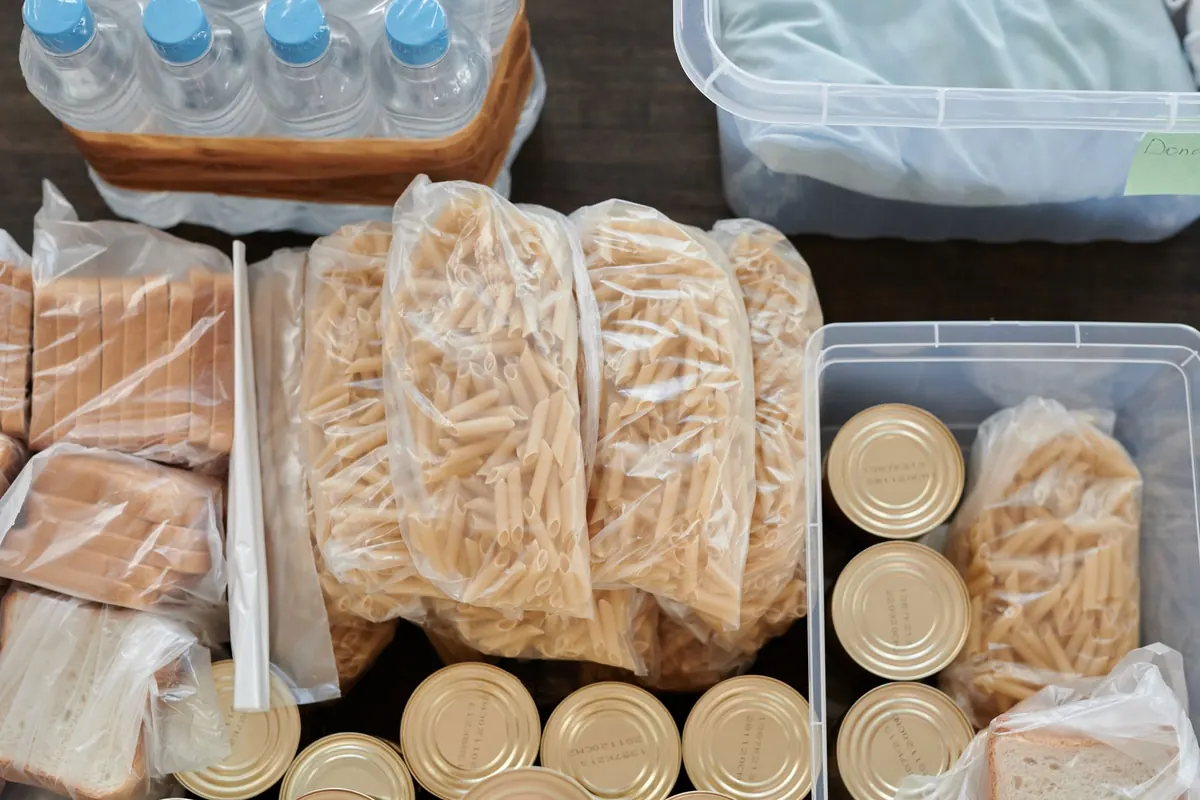
Freeze a few bottles of water. They'll keep the fridge cold if the power goes and double as cool packs. Check you have food that needs no cooking and a manual can opener, because the electric one is no use in a power cut. If anyone in the house takes medication that must stay chilled, sort that now and ask a pharmacist if you're unsure how long it can be out of the fridge.
The hall and stairs
This is where most people wish they'd been better organised. Keep torches, spare batteries, a battery or wind-up radio, wellies and waterproofs somewhere you can find in the dark. Put a torch beside each bed. Never bring a barbecue or camping stove indoors, and don't run a generator inside a garage or conservatory — carbon monoxide kills people every year in exactly this situation.
Bathrooms and water
If supply or pumping could be affected, fill the bath and a couple of buckets. That water flushes the loo and washes hands. Put a bucket under the gutter you know leaks, and move anything on the floor of a downstairs room or garage — rugs, boxes, tools, electrical items — onto shelves or upstairs.
Bedrooms and living space
Gather warm layers, blankets and hot water bottles in one place, and charge tablets, e-readers and handheld consoles. Choose a single room where everyone gathers if the heating goes off, with the door shut and a draught excluder down.
Power, water and warmth
Find your stopcock and check you can actually turn it. Do the same with the gas and electricity isolators, and show everyone old enough to use them. Report a power cut on 105 — it's free from any UK phone. Keep a paper list of your energy supplier, water company and local council, because a flat phone is no help when you need a number.
If anyone in the house depends on electricity for medical equipment, contact your supplier now and ask to be added to their priority services register, and check your backup arrangements with your care team. Avoid candles as your main light source; if you do use them, keep them clear of anything that burns and never leave them lit while you sleep.
Agree the communication plan
Mobile networks usually hold up, but they can get congested. Settle this before the wind arrives:
- Pick one out-of-area friend or relative as the person everybody checks in with. Calls out of the area often get through when local lines are jammed.
- Write key numbers on paper: family, the GP surgery, your energy supplier, your insurer's claims line.
- Agree who collects the children if you can't get there, and who else holds a spare key.
- Decide now what would make you leave — a flood warning escalating, or a power cut plus someone in the house who needs warmth for health reasons.
- Text rather than call if the network is struggling. Short messages get through when voice calls won't.
Stretch your battery: dim the screen, switch off Bluetooth, and don't stream video once the power is out.
Pets, neighbours and paperwork
Bring pets inside early and have food, water, leads, carriers and medication to hand. Check their microchip details are current — nervous animals bolt in storms, and that's when you'll be glad the record is up to date.
Knock on the door of anyone nearby who is elderly, unwell or living alone, especially if they rely on a landline or an electric door. Offer to bring their bins in and to check on them once the storm passes. Finally, put your insurance policy, policy number and a few photos of each room somewhere dry and upstairs. If your home has flooded before, keep the details of that claim with the current paperwork.
Last checks before the worst arrives
Set an alarm for an hour before the peak. Then walk the house once more: bins in, windows shut and locked, loft hatch closed, phone on charge, torches where everyone can find them, and nobody planning to drive unless they have to. If the storm turns out milder than forecast, you've spent an afternoon and gained peace of mind. If it doesn't, you'll be the household with light, water and a plan while the street is ringing round for batteries. If you have a health condition or rely on powered equipment, speak to your GP, care team or supplier — they can advise on your specific circumstances.
Photo: Julia M Cameron / Pexels