Red Weather Warning Mistakes: What Not to Do When the UK Shuts Down
A red weather warning is not an amber warning with the volume turned up. It's the Met Office telling you that severe weather is expected to put lives at risk, that travel will be difficult or impossible, and that power, water and phone networks may fail. For most parts of the UK, a red warning for your area is a once-in-several-years event — which is exactly why so many people misread it.
Emergency services say the same thing every time: stay put, don't travel, look after yourself and check on your neighbours. Below are the errors that crop up again and again when a red warning lands, and the safer alternative for each.
Treating red as "just a worse amber"
Amber means be prepared. Red means take action. That distinction gets flattened the moment someone says "it's only going to be windy", and the result is people heading out into conditions the forecasters specifically warned them not to.
The same mistake wears a different hat when distance is involved. Red warnings are drawn tightly around the area where forecasters have high confidence in dangerous conditions. If the red zone starts five miles from your house, that isn't a green light. It means the boundary had to be drawn somewhere, and you're standing right next to it.
What to do instead: make the decision the day before. Cancel the appointment, swap the shift, postpone the visit. If something genuinely can't move, leave earlier than you would ever normally consider, and be prepared to turn back.
The "one quick trip" in the car
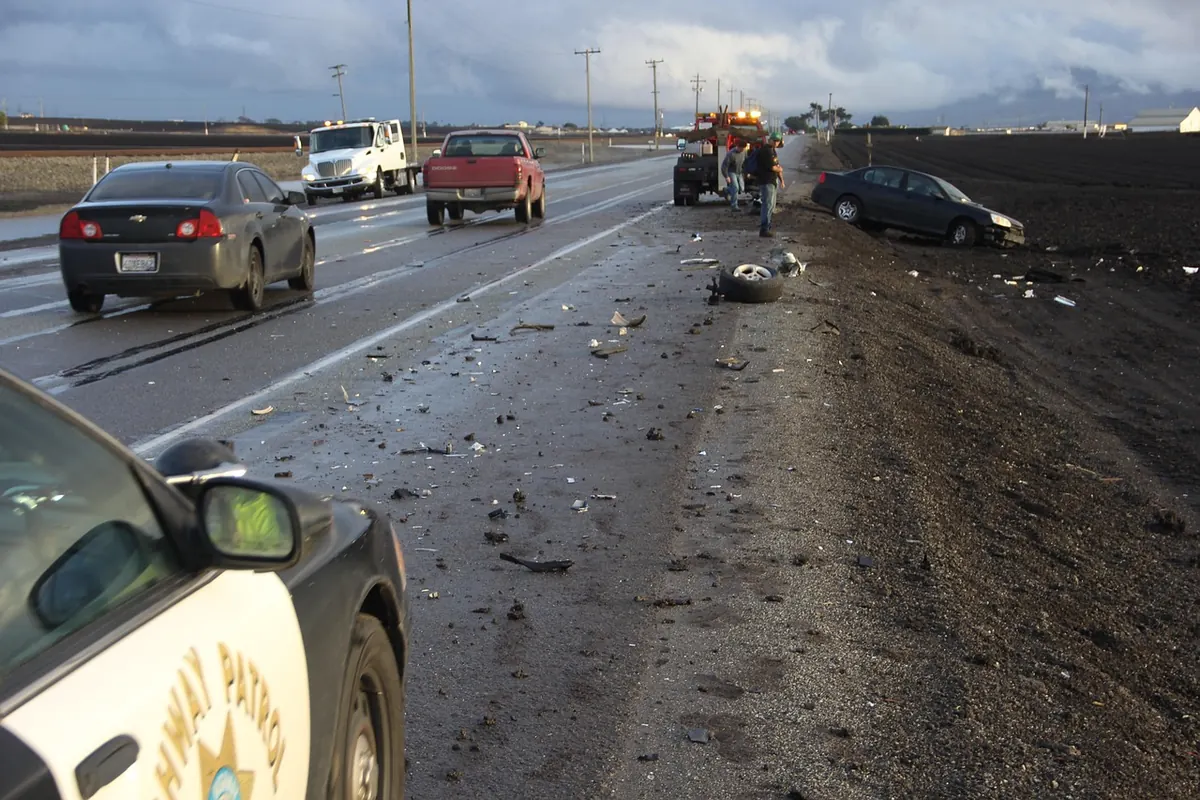
Red warning days are not errand days. In high winds, the main hazards are falling trees and branches, and high-sided vehicles going over on exposed bridges and flyovers. In heavy rain, standing water hides how deep it is and how fast it's moving, and even shallow, fast-flowing water can move a car. If you stall in it, the water can rise quickly and your doors can become very hard to open.
There's a second cost to those journeys. Every vehicle that gets stuck or stranded pulls firefighters, police and ambulance crews away from people who had no choice about being in harm's way.
If you truly must drive, tell someone your route and expected arrival time, take a charged phone and warm layers, and treat any closed road sign as final. Don't drive around a barrier to see whether it really is that bad. It is.
Ignoring, muting or "testing" emergency alerts
The UK's Emergency Alerts system sends a siren-like sound and a screen of text to compatible phones when there's a threat to life, including some red warnings and serious flooding. Three habits undermine it.
- Dismissing it and going back to sleep. Read the whole screen before you put the phone down. The instruction in the message is the part that matters.
- Switching alerts off for the winter. It's tempting if you're on shift work or have small children who wake at the noise, but a silenced phone can't warn you. If you have to mute overnight, tell someone else in the household to keep theirs on.
- Assuming it's a scam. A genuine government alert doesn't ask you to click a link, ring a premium number or hand over bank details. If a message does any of those things, it isn't an alert — delete it.
Charge your phone before conditions worsen, and keep a battery or wind-up radio in the house. If the network gets congested or the power goes, local radio still works.
Leaving preparation until the lights go out
Most of what you need takes half an hour to sort out. Do it when the warning is issued, not when the wind is already stripping tiles off the roof.
- Charge phones, power banks and laptops.
- Find the torches and check the batteries actually work.
- Fill a few bottles and containers with drinking water.
- Put aside food that needs no cooking — and dig out a manual tin opener.
- Gather medication, pet food, baby supplies and anything you'd hate to run out of.
- Bring blankets, warm layers and sleeping bags within reach.
- Draw some cash while the machines are still working.
- Note your utility company's emergency number on paper, not just in your phone.
If you care for someone who depends on electricity for medical equipment, or who needs regular medication, sort out a plan with their GP, pharmacist or care team before the weather arrives rather than during it. Those decisions are best made with a professional who knows the person's situation.
Going out to watch it
Every red warning produces a small crowd at the seafront. Waves break over sea walls and promenades, and people stand underneath them to film. It looks dramatic right up until someone is knocked off their feet onto wet stone, or pulled into water that is far colder and stronger than it appears.
The inland versions are just as risky. Woods and parks during high winds mean falling branches and whole trees coming down without warning. Swollen rivers and canals are fast, cold and full of debris. Floodwater is frequently contaminated, so keep cuts covered and wash your hands afterwards.
If you want to see what the weather is doing, watch it through a window. There will be photographs tomorrow.
And don't drive to a flooded road or a storm-damaged street to look. That traffic is exactly what blocks access for emergency vehicles.
Assuming the danger ends when the warning does
Red warnings expire; the hazards don't. Trees stay weakened, cables may still be down, roads stay shut and river levels can keep rising long after the rain has stopped.
Treat every fallen line as live and stay well back, then report it. Never use a generator, barbecue or camping stove indoors, in a garage or in any enclosed space — carbon monoxide is invisible and can be fatal. Take your time with ladders, saws and clearing up, because the aftermath of a storm is when a lot of avoidable injuries happen.
A five-minute plan for the next red warning
- Decide today not to travel tomorrow, unless it's genuinely unavoidable.
- Keep emergency alerts switched on and your phone charged.
- Run through the short list above — torches, water, medication, cash.
- Message the people you know who live alone, are older, or have mobility problems, and agree a check-in time.
- Stay indoors, stay off the coast and rivers, and wait for the all-clear from official sources.
Boring advice? Completely. That's rather the point. A red warning is one of the few situations where doing nothing at all is the most useful thing you can do — and where the neighbours who knock on a door are the ones who make the difference.
Photo: akreyche / Pixabay